International Moving
International Sea Freight Moving
The most affordable way to move an entire household between continents.
The most affordable way to move an entire household between continents.
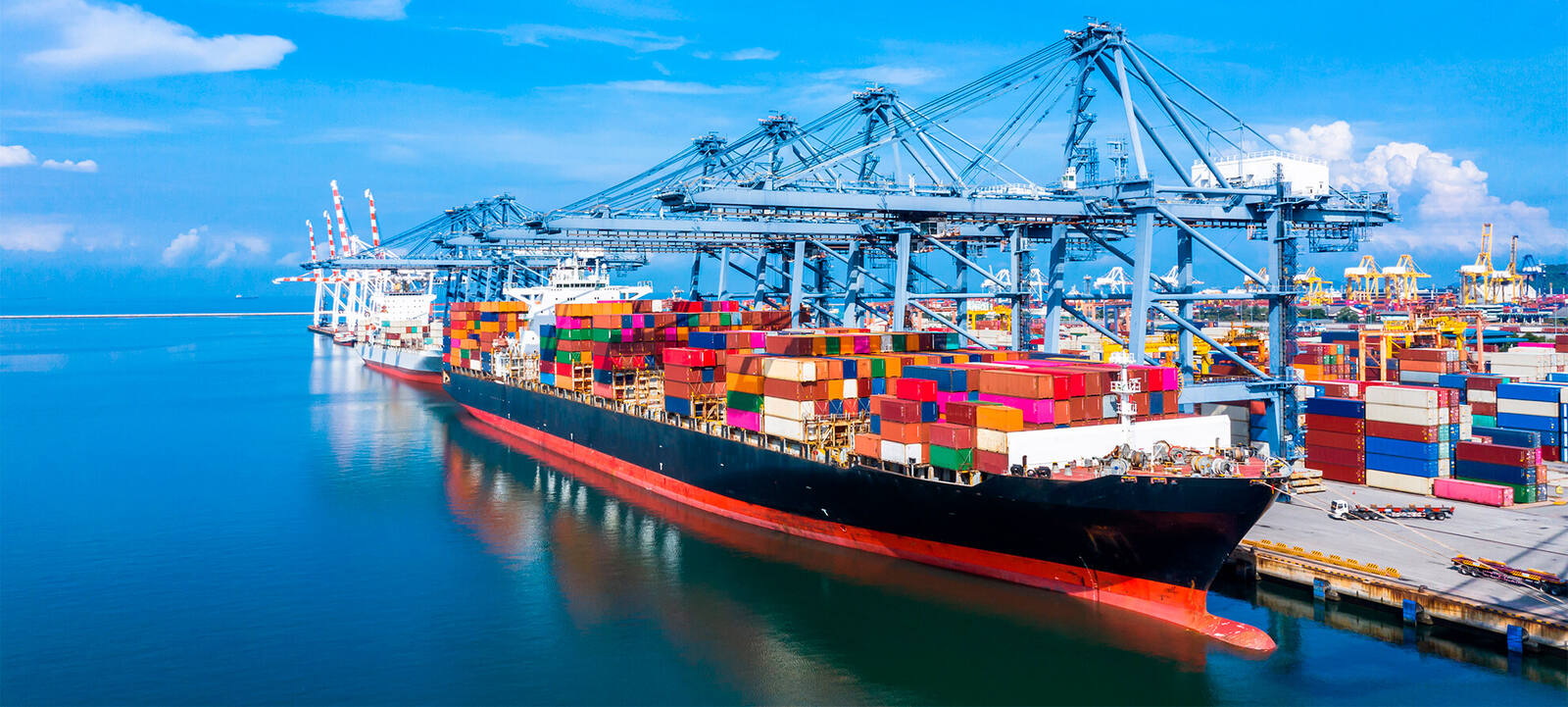
Sea freight is, by a wide margin, the preferred option for moving an entire household between countries. An ocean container offers the best balance of volume, protection, and cost: it can hold everything from a one-bedroom apartment's furnishings to a multi-bedroom house, traveling sealed and insured from port to port.
At Panama International Movers, we coordinate every sea freight move from start to finish — export packing, loading, documentation, international freight, and customs clearance at destination — so all you have to worry about is arriving at your new home. Our location at the logistics hub of the Americas gives us privileged access to shipping lines and sailings to every continent.
It all starts with a survey — in person or by video call — where we calculate the actual volume of your shipment in cubic meters (CBM). That figure determines whether an exclusive or shared container makes more sense for you, and it's the basis for an accurate quote, with no surprises.
On moving day, our crew packs your belongings with export-quality materials, draws up a detailed inventory, and loads the cargo so it makes use of every inch of the container while traveling fully secured. We then arrange the freight booking with the shipping line, issue the Bill of Lading, and handle the export and import documentation.
Upon arrival, our network of local agents handles customs clearance, last-mile ground transport, and — if you've booked our door-to-door service — delivery, basic unpacking, and removal of leftover packing material at your new home.

The cost of a sea freight move depends mainly on three variables: volume (m³ or container type), the origin-destination route, and any additional services you choose (packing, insurance, storage, door-to-door). The larger the volume, the lower the cost per cubic meter, which is why loading efficiently is key to saving money.
There are surcharges worth knowing about in advance: port fees, terminal handling, possible customs inspections, and storage if the cargo isn't picked up on time. Your coordinator walks you through all of them clearly in the quote, so the budget you receive is the one you actually pay.
The total time for a sea freight move combines the vessel's transit with origin and destination processes (packing, consolidation, customs, and delivery). Ocean transit varies by route and the shipping line's connections; customs procedures and last-mile delivery add extra days that depend on each country.
On each destination's page, you'll find the estimated times for that specific corridor. As a general rule, a door-to-door move should be planned several weeks in advance to secure space with the shipping line at the best rates.
Choosing the right container is the decision that most affects the cost of a sea freight move. A standard 20-foot container typically holds the furnishings of an apartment or a small one- to two-bedroom home; a 40-foot container — and its taller High Cube version — doubles that capacity and is ideal for homes with three or more bedrooms, or when you're shipping a car along with your household goods.
Overloading a smaller container forces a second shipment; booking one that's too large means paying for empty space. That's why the volume survey matters so much: we recommend exactly what you need — no more, no less — and make the most of every inch with professional loading.

Few cities in the world are as well positioned for an international move as Panama. With the Canal, the ports of Balboa (Pacific) and Colón (Atlantic), and one of the region's largest concentrations of shipping lines, Panama offers regular sailings to the Americas, Europe, Asia, and Oceania.
That connectivity translates into more routing options, better rates, and competitive transit times. As a Panamanian company with more than three decades operating in this hub, we know exactly how to put that advantage to work for you.
Every sea freight move is backed by formal documentation: a detailed inventory of your belongings, the Bill of Lading issued by the shipping line, and the export and import documents we handle at origin and destination. This paperwork isn't a minor formality — it's what speeds up customs and supports your insurance coverage.
Your container travels sealed from origin, with a numbered security seal, and isn't opened again until it reaches its destination (except for random customs inspections). Combined with all-risk insurance coverage, this gives you the peace of mind that your belongings are protected throughout the entire journey.
The lowest cost per cubic meter for medium and large volumes.
A single container comfortably holds the contents of an entire home.
Your container travels sealed, fully inventoried, and covered by all-risk insurance.
Regular sailings to the Americas, Europe, Asia, and Oceania from Panama.
The ports of Balboa and Colón, with shipping lines connecting to the entire world.
Combine your household goods and car in a single 40-foot container.
About international sea freight moving.
If you're moving an entire household, an exclusive container (FCL) is usually more convenient and faster. If you're only shipping a few pieces of furniture or boxes, a shared container (LCL) lets you pay only for the space you use. During the survey, we'll recommend the best option for your volume.
We recommend starting the process 4 to 6 weeks before your target date. This secures space with the shipping line, allows time for the survey and packing, and lets you arrange insurance on the best terms.
Insurance is quoted separately because it depends on the declared value of your household goods. We offer all-risk, door-to-door policies through international insurers and can advise you on the value to declare.
Yes. You can ship it inside a container (sharing it with your household goods or on its own) or via the Ro-Ro system. We'll advise you on the best option based on your vehicle and destination.
Random inspections are a normal part of international trade. Because your cargo is properly packed and inventoried, the process goes smoothly; our agent at destination handles the inspection and keeps clearance moving.
Request a free, no-obligation quote. We respond in less than 24 hours.
Get my quote