
🇨🇴
Moving to the Americas
Moving from Panama to Colombia
From Panama to Bogotá, Medellín, or Cartagena, close and well connected.
Moving to the Americas
From Panama to Bogotá, Medellín, or Cartagena, close and well connected.
The proximity and the strong ties between Panama and Colombia make this one of the most active corridors in the region. We coordinate moves to Bogotá, Medellín, Cali, Cartagena, and other cities by sea or air.
It is the closest destination we operate and, even so, one where people arrive with the wrong idea: that because the two countries are neighbors, their move can go by road. It cannot. That single fact defines the whole corridor.
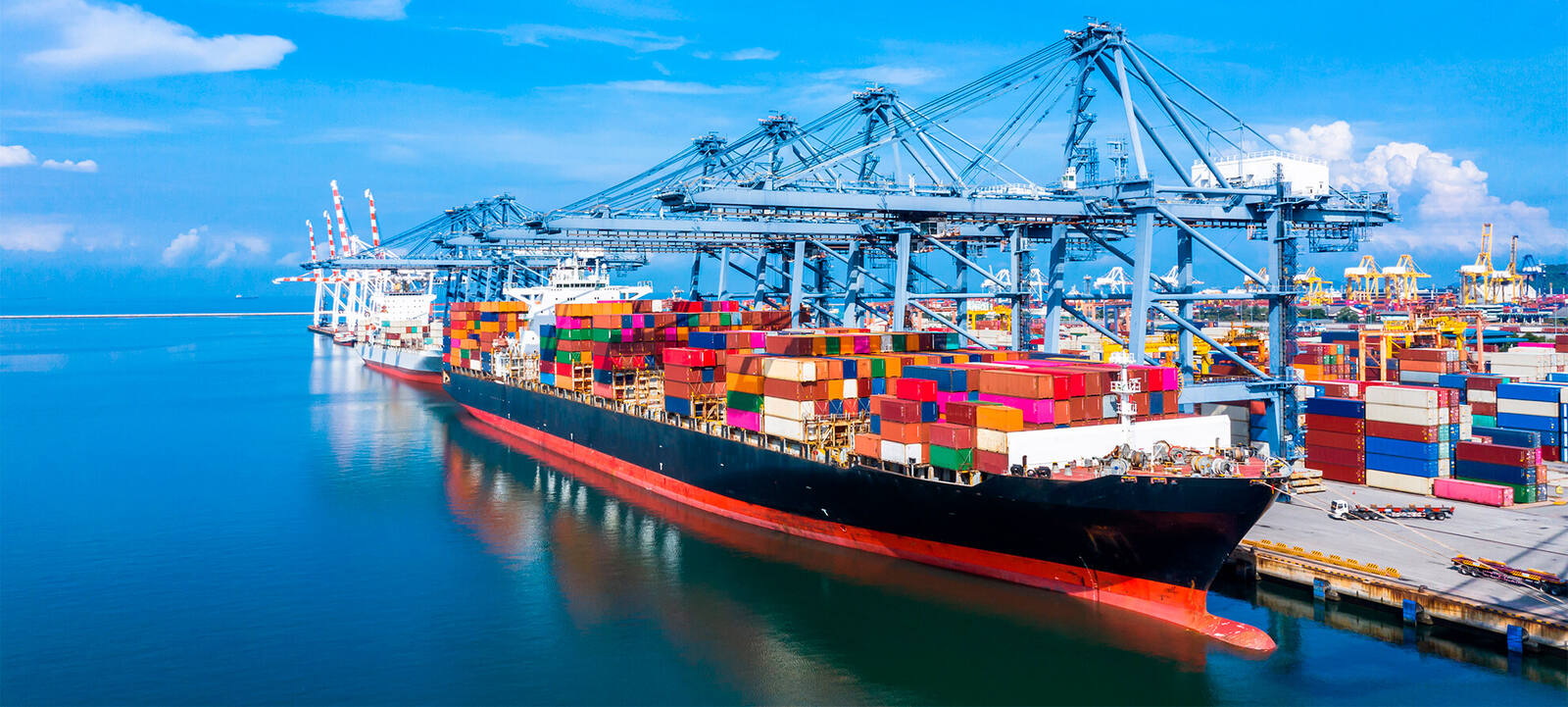
Panama and Colombia share a border, but there is no land route between the two countries: the Darién Gap breaks the Pan-American Highway. No truck leaves Panama City and arrives in Bogotá. Every move to Colombia goes out by sea or by air.
The good news is that proximity works in your favor anyway. Sea services to Colombian ports are frequent, and air freight is a realistic alternative here — not just an emergency measure — when the volume is moderate and time matters.
Volume is measured in cubic meters (CBM). In an exclusive container (FCL) your goods travel alone and are sealed at your home; in a shared container (LCL or groupage) they share space with other cargo, are consolidated in a warehouse before sailing, and are deconsolidated in another one on arrival. We advise you between the two based on your volume, and coordinate customs clearance and delivery with agents in Colombia.
In Colombia the customs authority is the DIAN. It is worth naming it precisely, because the industry frequently mixes up one country's authorities with another's: in Panama customs is the ANA, the Autoridad Nacional de Aduanas, and it has nothing to do with Colombian clearance.
Colombia provides a household-goods regime for someone establishing or re-establishing residence in the country. The treatment comes with conditions: proof of prior residence abroad over a continuous period, goods that are used and of domestic use, an import made within a time window tied to your arrival in the country, and a declaration made in a single operation. We confirm the exact deadlines and limits with the destination agent for your file.
Typical documentation includes your passport with the stamps backing up your entry and exit history, your visa or foreigner ID card depending on your immigration status, and a valued packing list, in Spanish, describing every carton by its real contents. New articles — those arriving unused and in their original packaging — do not fall under the household-goods regime: customs can treat them as merchandise.
Colombia receives Panamanians and foreign residents of Panama every year for work, studies, business, and family. Bogotá concentrates corporate employment and head offices; Medellín attracts people looking for a stable climate and a large international community; Cali and Barranquilla have their own pulse; Cartagena combines tourism, port, and second homes.
Geography changes the last mile more than you would expect. Cargo entering through Cartagena or Barranquilla climbs inland on mountain roads; cargo bound for Cali usually enters through Buenaventura. The exact point of entry depends on the service and is confirmed in your quote, but the inland leg is always included in the door-to-door service.
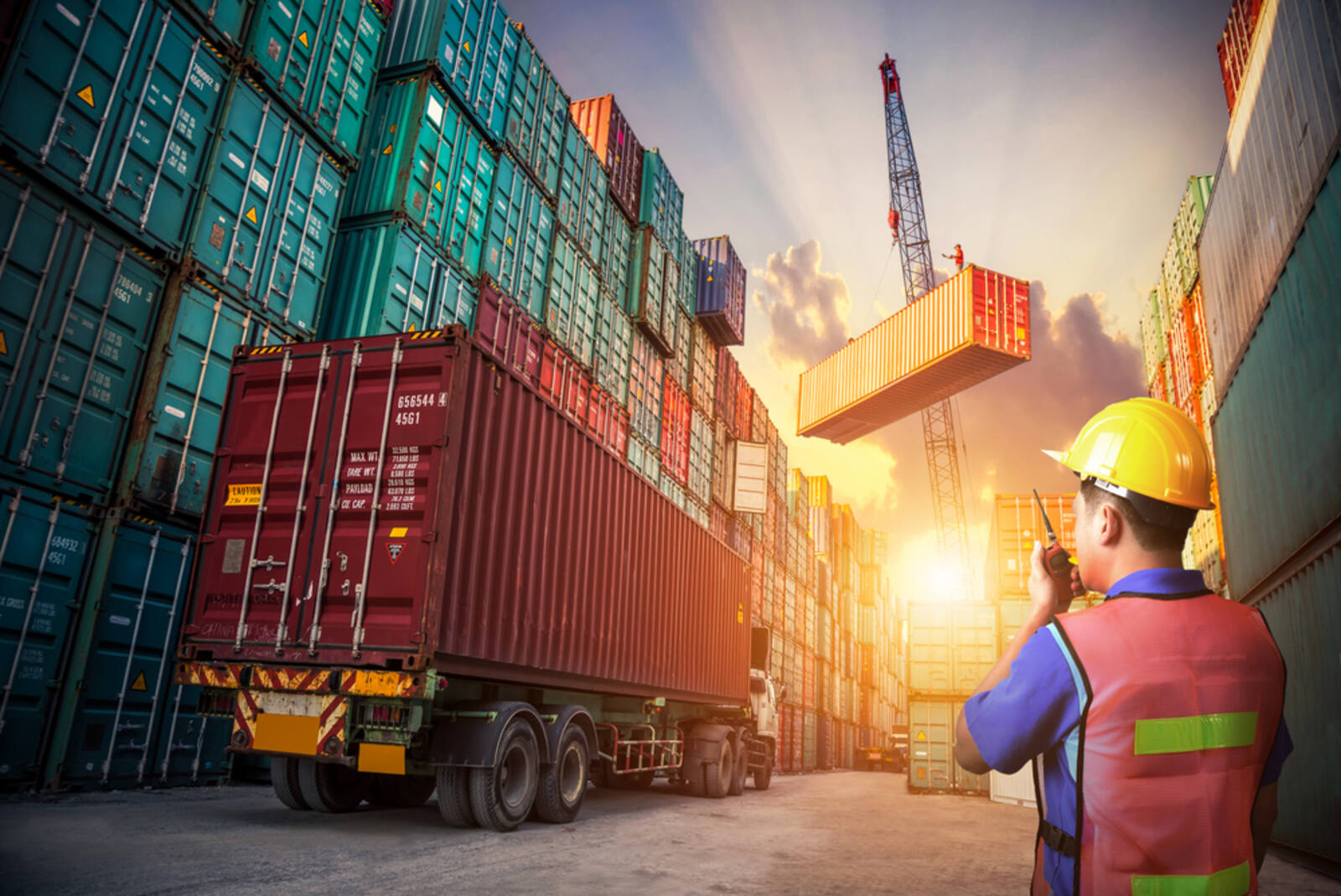
Be clear about your immigration status before you move a single box. The Colombian household-goods regime rests on it, and a file that arrives with the visa still in process sits waiting at the port, generating storage costs that were never in the budget.
Here you have a little-known advantage: the Colombian grid runs at 110 volts and 60 hertz, the same as Panama's, and the plugs are the same. Your appliances work as they are. It is one of the few destinations where you do not have to do that math.
The car is a separate and difficult case. Vehicle imports into Colombia are heavily regulated and are not resolved within the household-goods regime. It is assessed case by case, before shipping, and in many situations the honest recommendation is to sell it in Panama.
The pet never travels in the container. It leaves Panama with the process handled through MIDA and MINSA, and enters Colombia with the official health certificate and the current vaccinations required by the Colombian agricultural health authority. It starts long before the rest of the move.
Transit time
To be confirmed — contact us for the current figure for this corridor.
Estimated cost
To be confirmed — contact us for the current figure for this corridor.
Customs / restrictions
Household goods requirements; possible benefits for used household goods when relocating residence. Check current conditions.
Taxes
To be confirmed — contact us for the current figure for this corridor.
Exact transit times, costs, and taxes depend on your volume and current regulations. Request a quote for confirmed figures.
Moving from Panama to Colombia.
We coordinate moves to major cities — Bogotá, Medellín, Cali, Cartagena, Barranquilla — with final door-to-door delivery through our network.
No. There is no land route between Panama and Colombia: the Darién Gap breaks the Pan-American Highway. Every move to Colombia travels by sea or by air.
Given the short distance, both sea and air freight are efficient. Sea freight is more economical for a full household; air freight is faster for smaller shipments or when time is the constraint.
The DIAN provides a household-goods regime for someone establishing residence in the country, conditional on prior residence abroad, on the goods being used and of domestic use, and on the import being made within the window tied to your arrival. It rests on your passport, your visa or foreigner ID card, and a valued packing list. We review your case before you ship.
No. Colombia uses 110 volts and 60 hertz, the same as Panama, with the same plugs. Your equipment works without a transformer or an adapter.
Request a free, no-obligation quote for your move from Panama to Colombia.
Get My Quote